
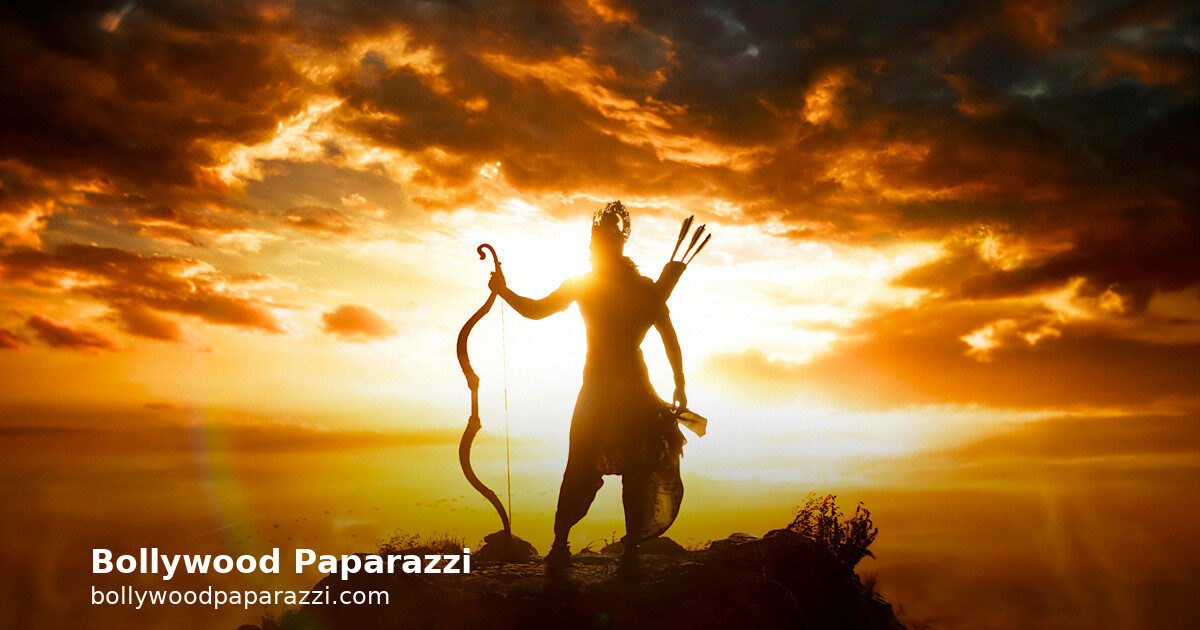
Los Angeles: A day after Ramayana had its world premiere at the Academy Museum of Motion Pictures on October 27, Sai Pallavi has turned the red carpet into a lesson in looking inward. The two-part epic may be one of the biggest Indian film bets in years, but her message was surprisingly intimate: the saga is less about defeating a villain than about fixing the flaw inside you.
The actor, who plays Sita in Nitesh Tiwari‘s adaptation, was asked what she hopes audiences see differently. For a curious newcomer, she said, this could be the start where they see the best version of the Indian epic. For a believer, she said, it is an invitation to introspect.
“Because Ravana is not all bad. And it’s important that we spot the Ravana in us, and we make changes over time.”
That line, spoken at the premiere, reframes the familiar battle between Rama and Ravana as a mirror for the audience. It is also a clever piece of red-carpet messaging: in one short answer, Sai Pallavi connects the film’s religious roots to a universal self-improvement idea, making the story legible to both Indian viewers who know the text and international viewers who do not.
Why the Los Angeles premiere matters
The venue itself is a statement. Hosting the first look at the Academy Museum of Motion Pictures positions Ramayana as an international cultural export, not just a domestic blockbuster. The reported budget of ₹4,000 crore underlines the scale of the ambition.
The first part arrives on November 5, 2026, and the second is expected around Diwali 2027. That makes this a staggered franchise play, with the first film carrying the weight of audience trust.
Who is in the frame
- Ranbir Kapoor as Lord Rama
- Sai Pallavi as Sita
- Yash as Ravana
- Sunny Deol as Hanuman
- Ravi Dubey as Lakshman
- Music by AR Rahman and Hans Zimmer
A pitch with a built-in takeaway
Sai Pallavi’s answer does more than share a personal belief. It gives the film a portable theme—”spot the Ravana in us”—that can travel across languages and markets. A clear, repeatable takeaway like that is often what separates a spectacle from a story audiences carry home.
The cast combines marquee names with a global music team, and the two-part structure leaves room for the story to breathe. The real test begins on November 5. For those who know the epic, the question is whether Tiwari’s version balances scale with that inward-looking note. For first-time viewers, it is an unusually approachable entry point into Indian mythology, carried by advanced VFX and a global score.
Source: Hindustan Times
Comments